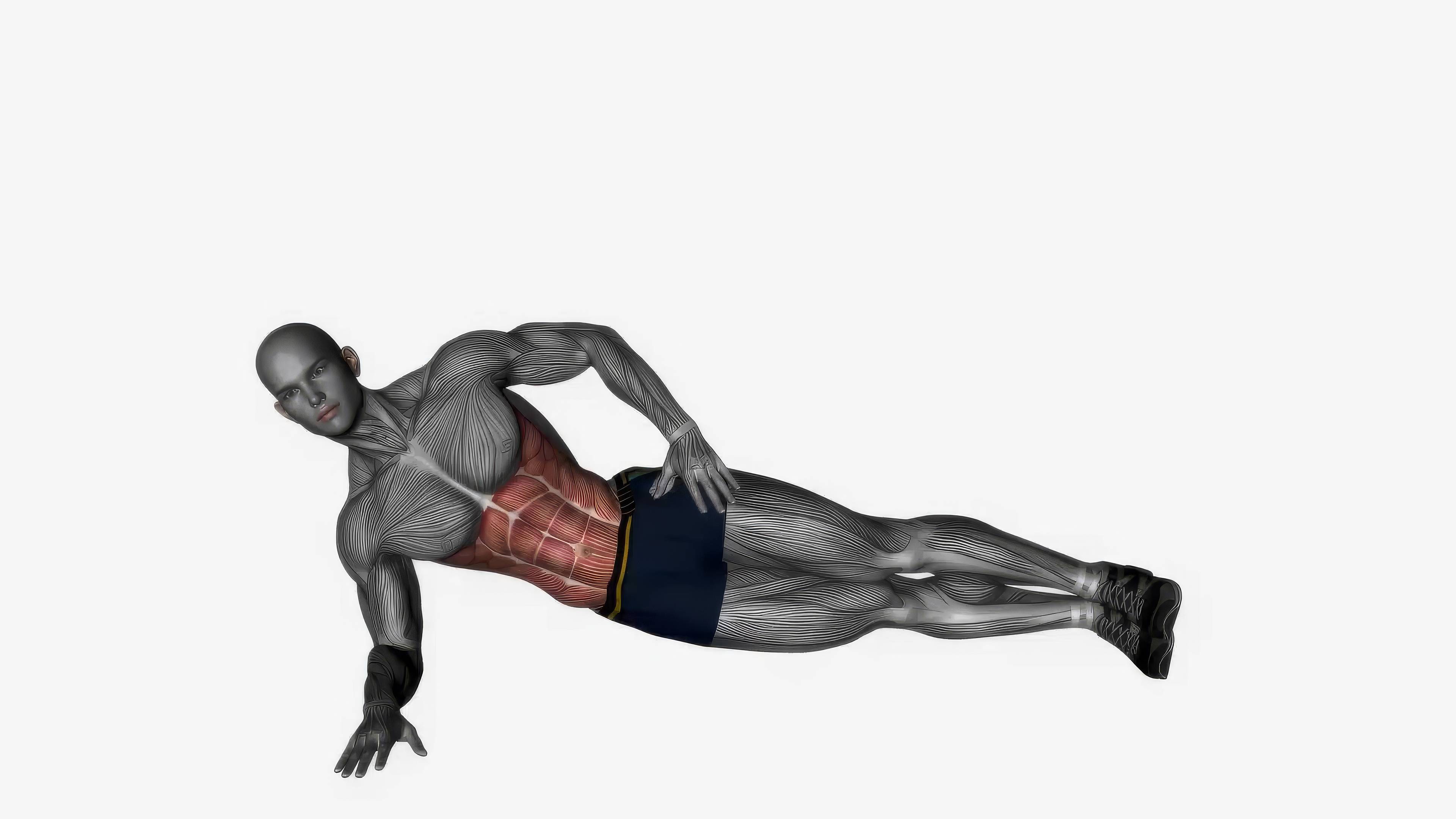
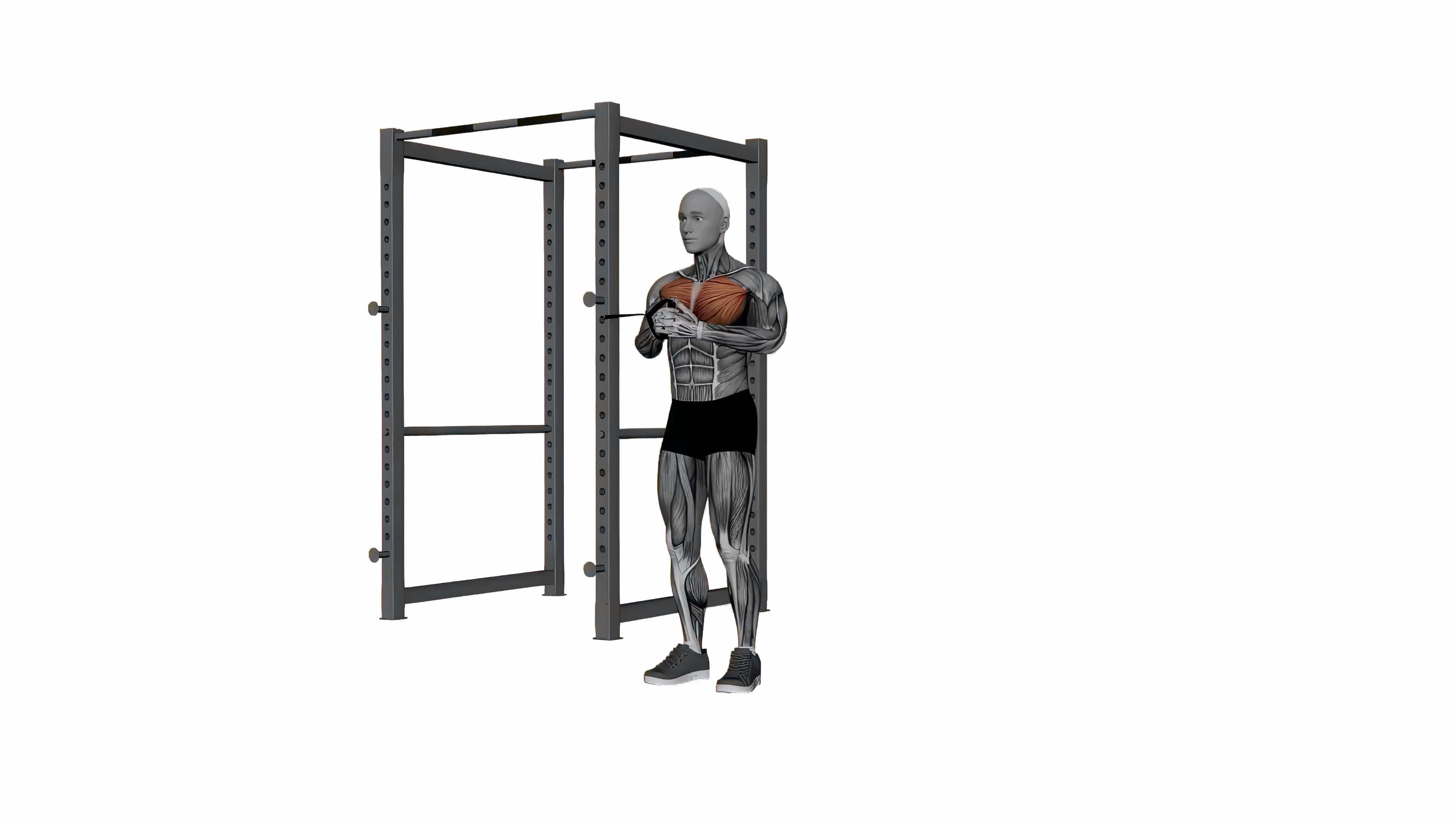
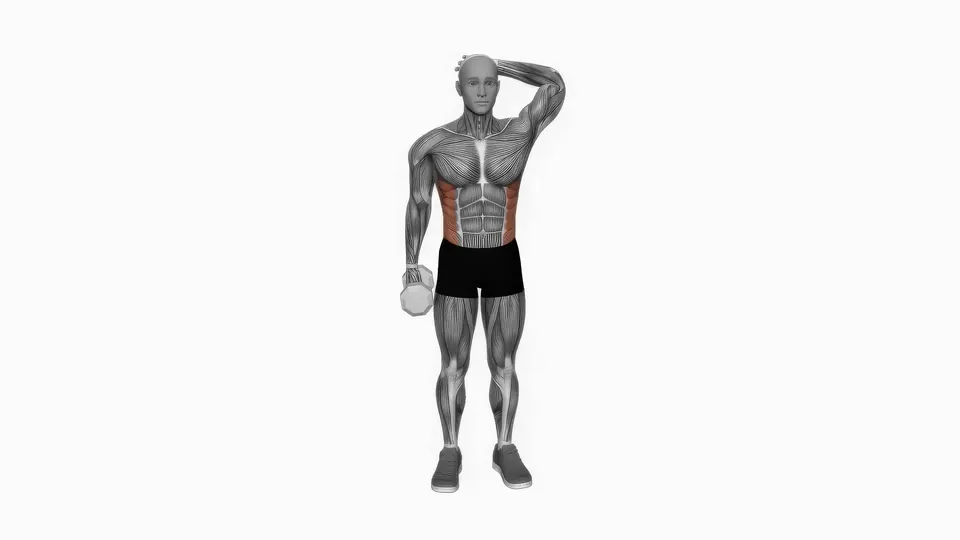
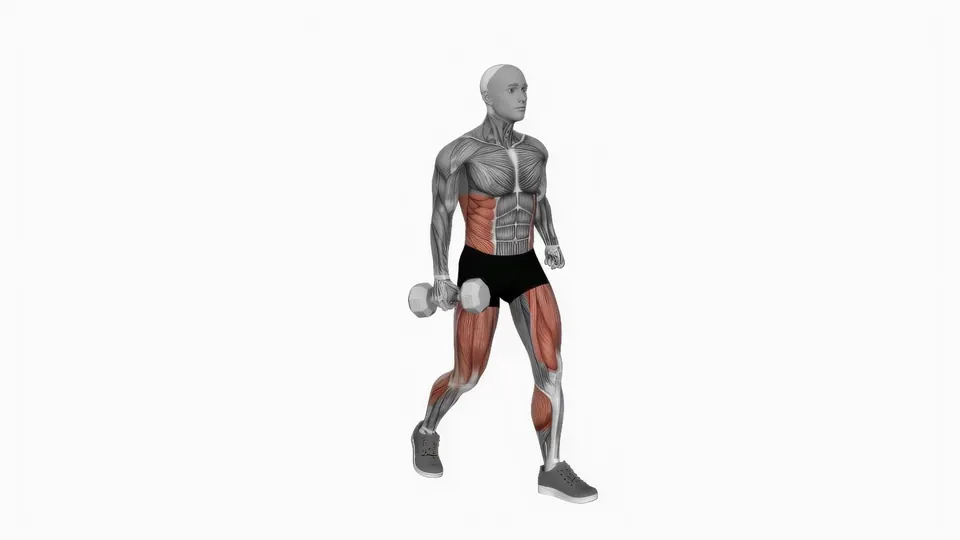
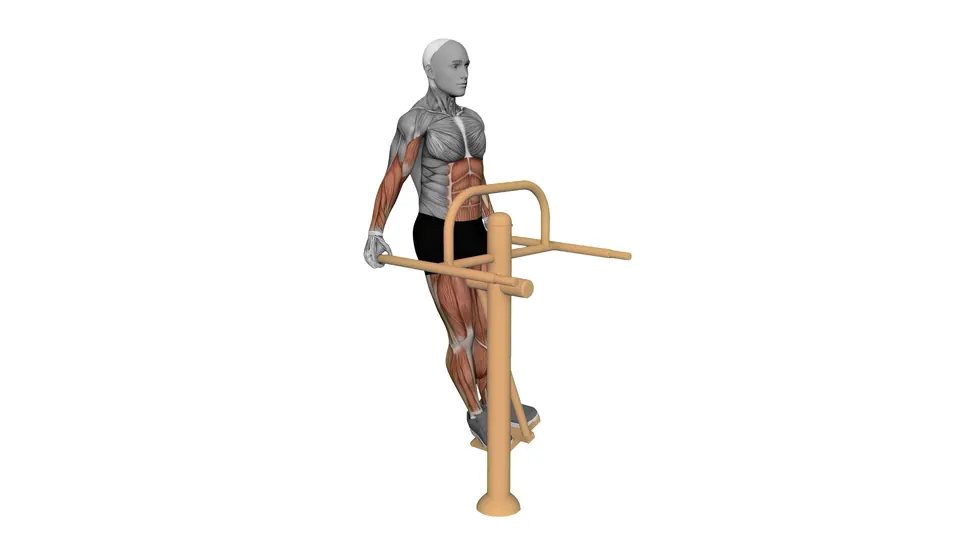
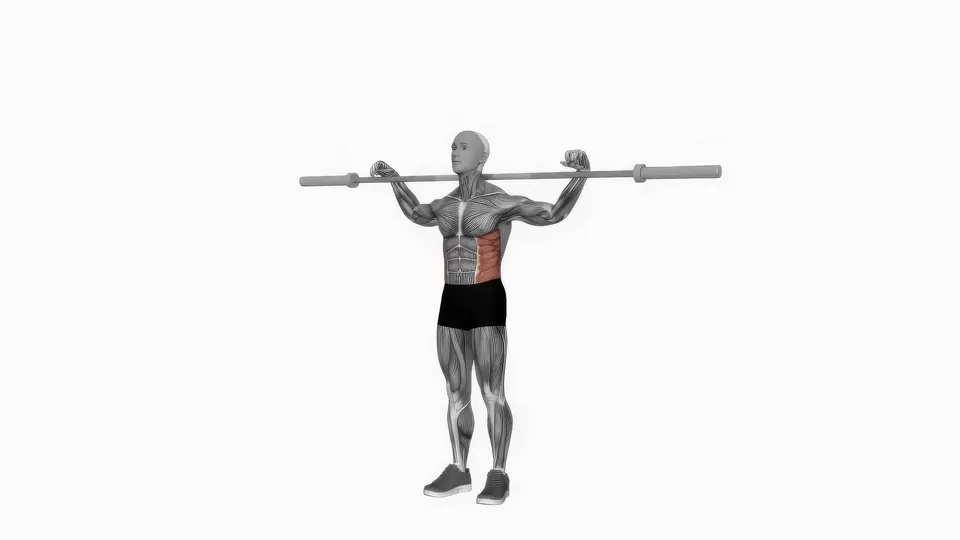
How to do the Windmill Toe Touch
- Stand with feet shoulder width, arms straight out to the sides.
- Push your hips back and rotate toward the opposite foot.
- Reach one hand down, the other arm straight up.
- Return to standing and alternate sides.
Full technique — 7 steps
- Stand with feet about shoulder width apart and your knees nearly straight.
- Raise both arms straight out to the sides at shoulder height, palms down.
- Push your hips back and rotate your torso to reach one hand toward the opposite foot.
- Point your other arm straight up so both arms form one vertical line.
- Keep both feet flat and still on the floor throughout the rep.
- Rotate back and stand up with your arms out at shoulder height again.
- Repeat toward the other foot, alternating sides each rep.
Common mistakes
- Swinging the torso with momentum
- Bending sideways instead of rotating
- Letting the top arm drop forward
- Bouncing out of the bottom
- Rounding through the lower back
Form cues
- Push hips back
- Reach to opposite foot
- Top arm points up
- Keep whole foot planted
- Move through the trunk
Where to start and where to go next
Same muscles, same movement. Too hard for now — step down; once it gets easy — step up.
- Easier Standing Thoracic Rotation
- This exercise Windmill Toe Touch
- Harder Plank to Lunge with Rotation
Too hard for now? Start with the Standing Thoracic Rotation.
Quick answers
What muscles does the Windmill Toe Touch work?
Primary: Obliques 7/10. Also works: Lower back 5/10, Abs 4/10.
When should I do the Windmill Toe Touch in a workout?
Warm-up. Done at the start to get the body ready. ≈ 4 min with rest.
How many sets and reps of the Windmill Toe Touch?
Strength: 2–3 sets of 10–12 reps, rest 1 min, 4 reps in reserve. Muscle growth: 2–3 sets of 12–16 reps, rest 45 s, 4 reps in reserve. Endurance: 2–3 sets of 16–24 reps, rest 30 s, 4–5 reps in reserve.
What is an easier version of the Windmill Toe Touch?
Standing Thoracic Rotation (Beginner).
What is a harder version of the Windmill Toe Touch?
Plank to Lunge with Rotation (35% of bodyweight).