How to do the Wide Grip Suspension Trainer Row
- Securely anchor the trainer and adjust handle height to suit your strength.
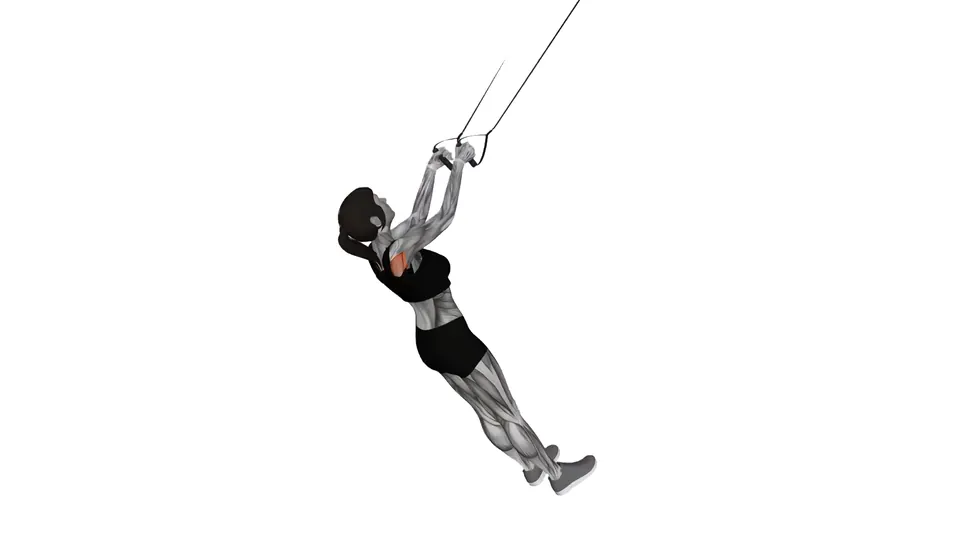
- Grip the handles wide with palms down, then walk your feet forward.
- Lean back until your body forms a straight line, arms fully extended.
- Pull the handles to your upper chest, elbows out to about shoulder height.
- Slowly return to the starting lean by straightening your arms.
Full technique — 8 steps
- Anchor the suspension trainer securely and set the handles to a height that matches your strength.
- Stand facing the anchor, grasp the handles with an overhand grip, and walk your feet forward.
- Spread your hands wider than your shoulders so the straps angle slightly outward.
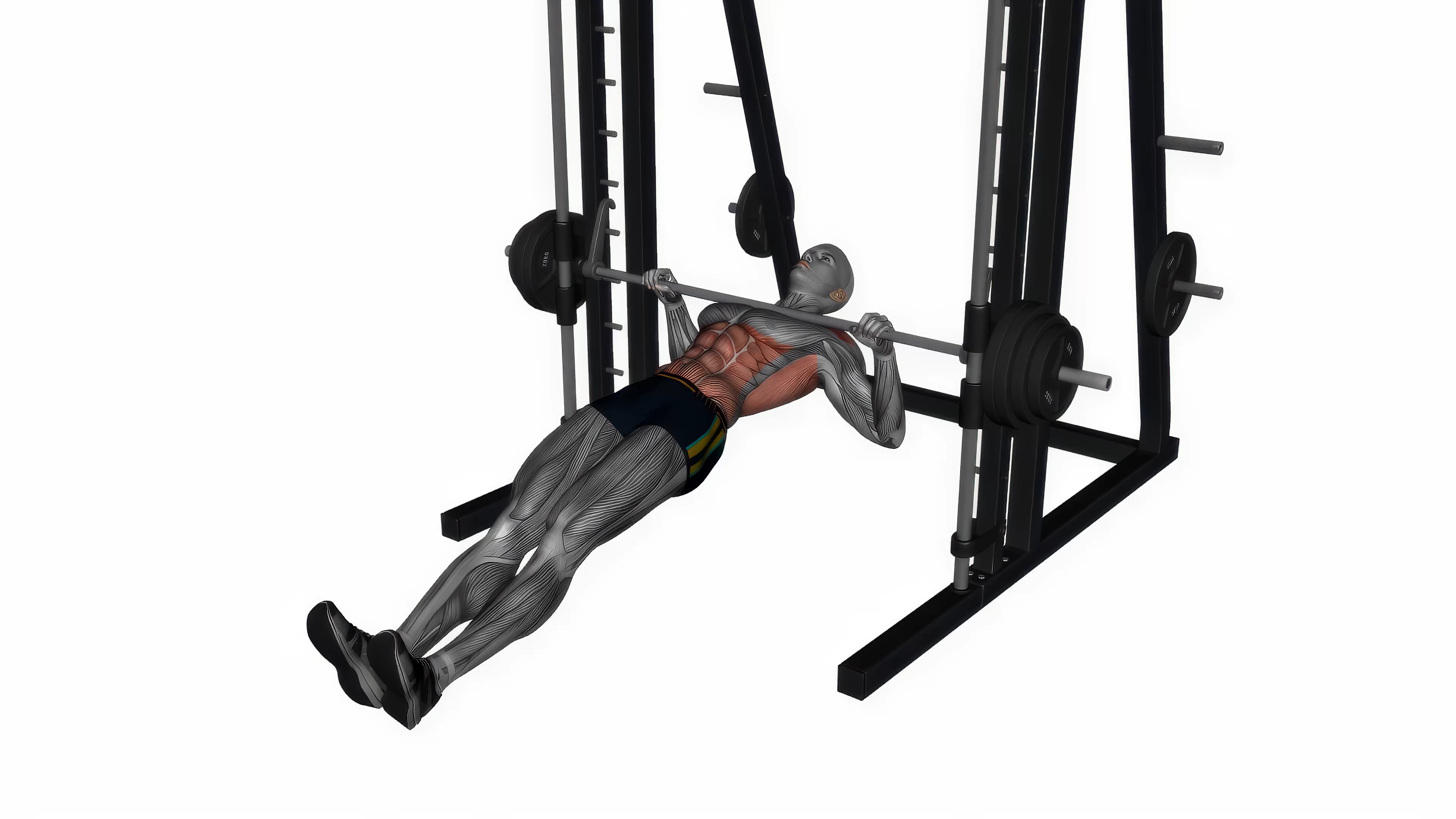
- Lean back until your arms are straight and your body forms a rigid line from head to heels.
- Set your shoulders down and back without flaring the ribs.
- Pull your torso toward the handles by driving your elbows back and out to about shoulder height.
- Finish when your hands reach your upper chest and your chest comes close to the handles.
- Lower yourself by straightening the arms until you return to the starting lean.
Common mistakes
- Elbows dropping below shoulders
- Hips sagging during the row
- Shrugging shoulders toward ears
- Using hip drive for momentum
- Stopping short of full arm extension
Form cues
- Drive elbows back
- Keep elbows flared
- Feel rear delts working
- Stay rigid heel to head
- Keep shoulders down
Compared with similar variants
| Wide Grip Suspension Trainer Row | Barbell Bent Over Row | Single Arm Dumbbell Row | Seated Machine Row | |
|---|---|---|---|---|
| Level | Intermediate | Intermediate | Beginner | Beginner |
| Technique to learn | easy | moderate | moderate | easy |
| How tiring | moderate | high | moderate | moderate |
| Shoulder | moderate | low | low | low |
| Elbow | low | low | low | low |
| Equipment | Suspension trainer | Barbell | Dumbbells, Flat bench | Seated row machine |
An estimate from our exercise ratings, not medical advice. How we rate exercises
Substitutes by equipment
Same muscles, same movement — pick the version you have the gear for.
Dumbbells
Resistance bands
Barbell
- Chest Supported Barbell Row Easier
- Pendlay Row Harder
Cable machine
- Floor Seated Cable Row Easier
Where to start and where to go next
Same muscles, same movement. Too hard for now — step down; once it gets easy — step up.
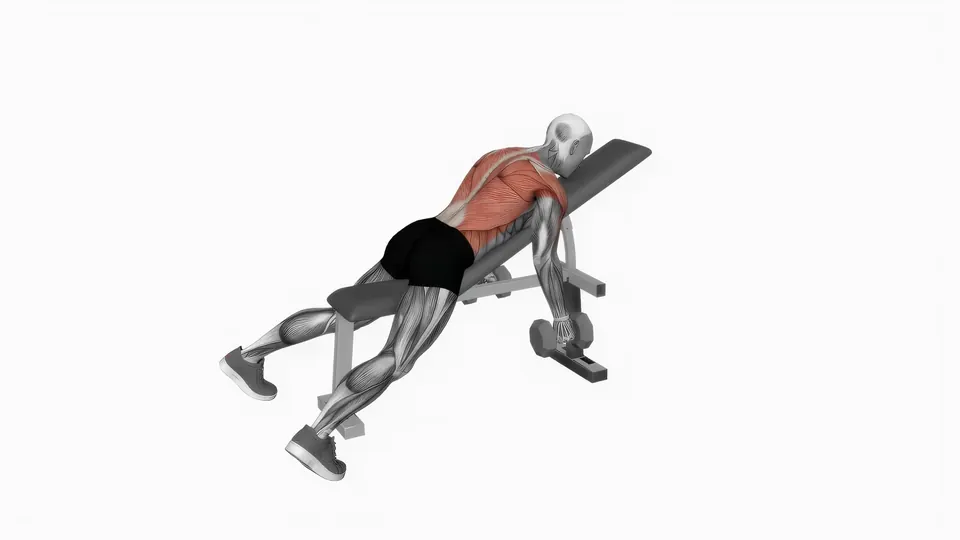
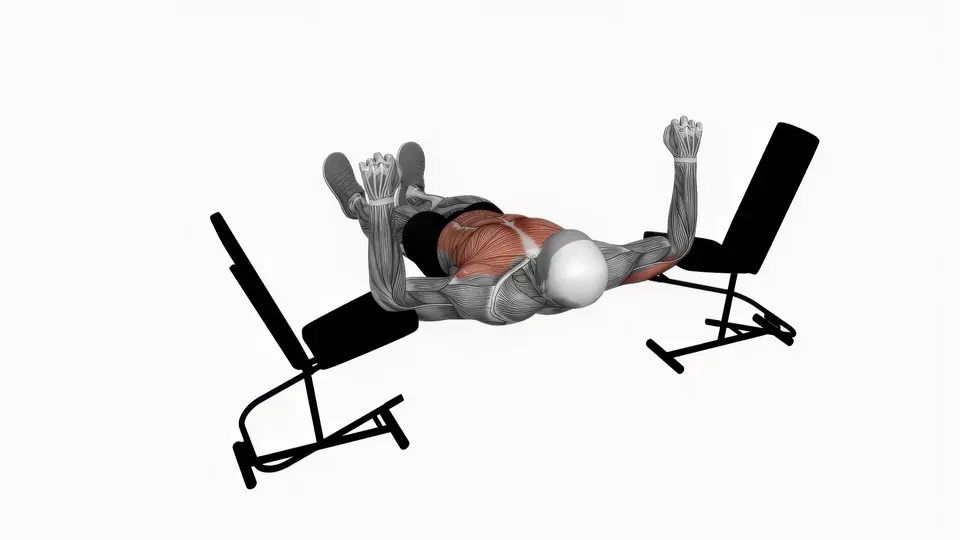
- Easier Supine Elbow Press
- Easier Single Arm Suspension Trainer Rear Delt Row
- This exercise Wide Grip Suspension Trainer Row
- Harder Bent Over Dumbbell Face Pull
- Harder Wide Grip Barbell Row
Too hard for now? Start with the Single Arm Suspension Trainer Rear Delt Row.
Quick answers
What muscles does the Wide Grip Suspension Trainer Row work?
Primary: Upper back 9/10, Rear delts 8/10. Also works: Rhomboids 7/10, Traps 6/10, Lats 5/10, Biceps 5/10.
Which joints does the Wide Grip Suspension Trainer Row load?
Shoulder: moderate, Elbow: low, Wrist: low. Shoulder — lighter options: Barbell Bent Over Row, Single Arm Dumbbell Row, Seated Machine Row.
When should I do the Wide Grip Suspension Trainer Row in a workout?
Accessory. Goes after the main lifts. ≈ 8 min with rest.
How many sets and reps of the Wide Grip Suspension Trainer Row?
Strength: 3–5 sets of 6–8 reps, rest 2 min, 2 reps in reserve. Muscle growth: 3–4 sets of 10–15 reps, rest 1 min 15 s, 2–3 reps in reserve. Endurance: 2–3 sets of 15–20 reps, rest 45 s, 3–4 reps in reserve.
What can I do instead of the Wide Grip Suspension Trainer Row?
Dumbbells: Chest Supported Dumbbell Rear Delt Row, Overhand Grip Dumbbell Bent Over Row. Resistance bands: Chest Supported Resistance Band Row, Resistance Band Bent Over Row. Barbell: Chest Supported Barbell Row, Pendlay Row. Cable machine: Floor Seated Cable Row.
What is an easier version of the Wide Grip Suspension Trainer Row?
Single Arm Suspension Trainer Rear Delt Row (40% of bodyweight), Supine Elbow Press (15% of bodyweight).
What is a harder version of the Wide Grip Suspension Trainer Row?
Bent Over Dumbbell Face Pull (Intermediate), Wide Grip Barbell Row (Intermediate).