How to do the Overhand Grip Dumbbell Bent Over Row
- Hold a dumbbell in each hand, palms facing back.
- Push your hips back and lower your torso, keeping your back relatively straight.
- Row the dumbbells up, driving your elbows out to the sides.
- Lower until your elbows are fully extended, holding the same torso angle.
Full technique — 6 steps
- Stand with feet about hip-width apart and hold a dumbbell in each hand with an overhand grip.
- Hinge at the hips until your torso is inclined forward, keeping your spine neutral and knees slightly bent.
- Let the dumbbells hang below your shoulders with arms straight and palms facing back.
- Tighten your stomach and set your shoulders down away from your ears before rowing.
- Row the dumbbells up by driving your elbows up and out to the sides until they reach about torso level.
- Lower the dumbbells back under your shoulders until your elbows are fully extended, keeping the torso position fixed.
Common mistakes
- Standing up during each rep
- Shrugging instead of rowing
- Rounding the lower back
- Jerking the weights with momentum
- Keeping elbows close to the ribs
Form cues
- Drive elbows up and out
- Keep torso angle fixed
- Let arms fully hang
- Keep shoulders out of ears
- Keep neck neutral
Compared with similar variants
| Overhand Grip Dumbbell Bent Over Row | Barbell Bent Over Row | Single Arm Dumbbell Row | Seated Machine Row | |
|---|---|---|---|---|
| Level | Intermediate | Intermediate | Beginner | Beginner |
| Technique to learn | moderate | moderate | moderate | easy |
| How tiring | moderate | high | moderate | moderate |
| Lower back | moderate | high | low | — |
| Shoulder | moderate | low | low | low |
| Equipment | Dumbbells | Barbell | Dumbbells, Flat bench | Seated row machine |
An estimate from our exercise ratings, not medical advice. How we rate exercises
Substitutes by equipment
Same muscles, same movement — pick the version you have the gear for.
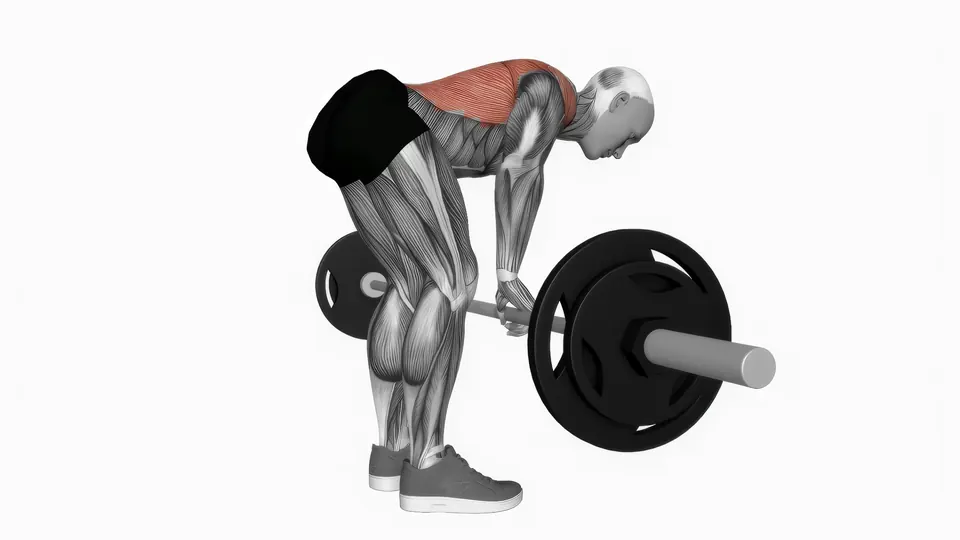
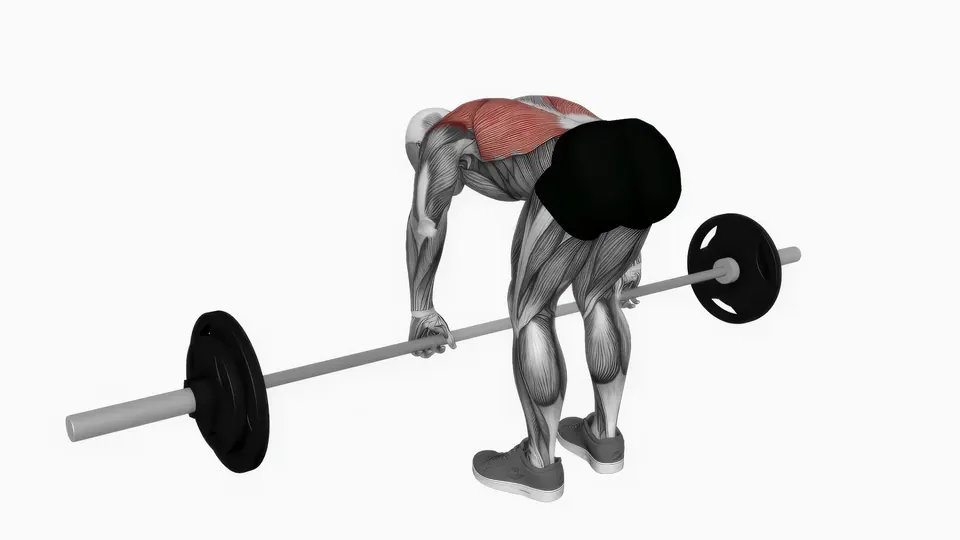
Barbell
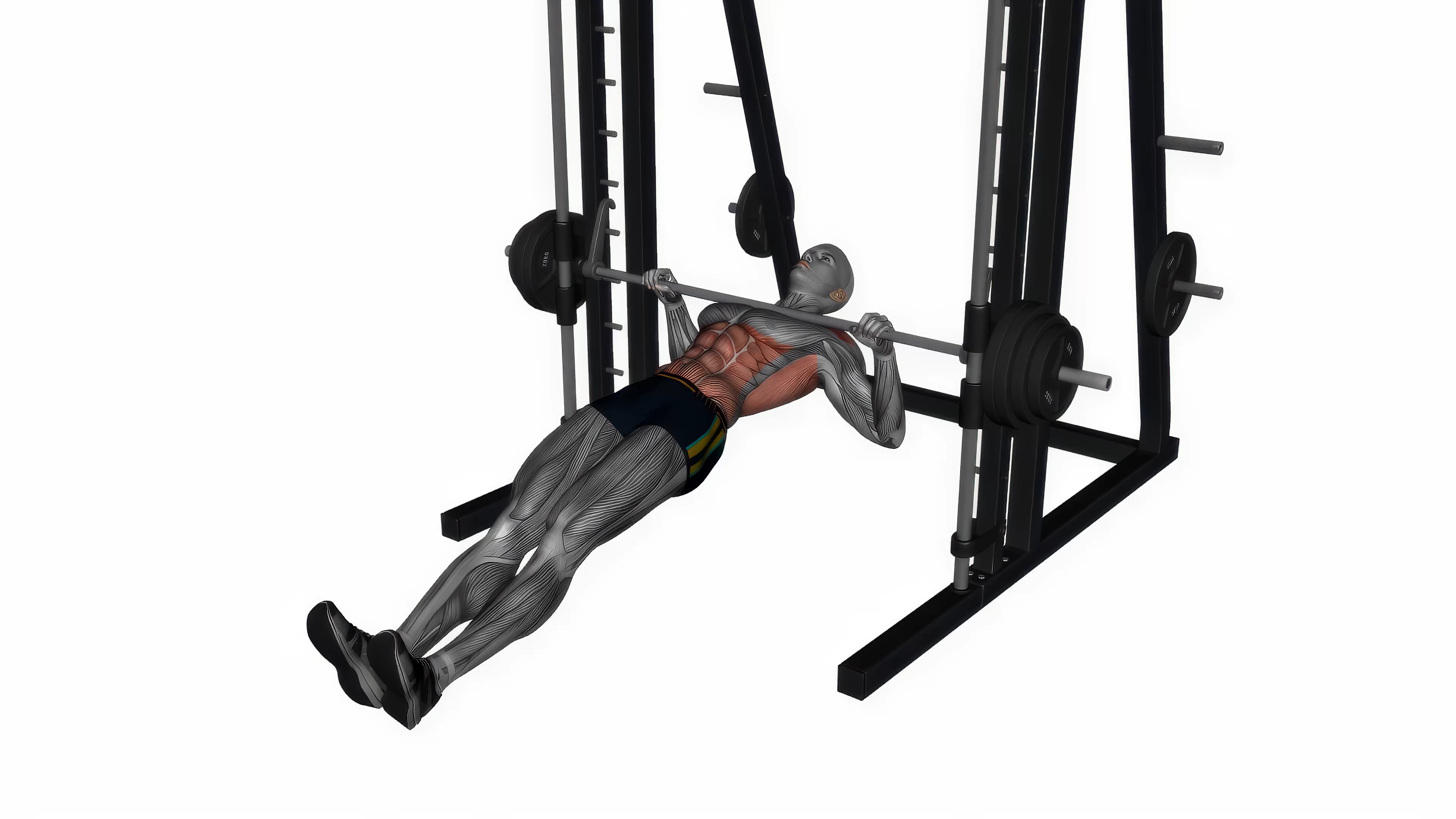
- Chest Supported Barbell Row Easier
- Single Arm Landmine Row Easier
Cable machine
- Floor Seated Cable Row Easier
- Cable Bent Over Row Easier
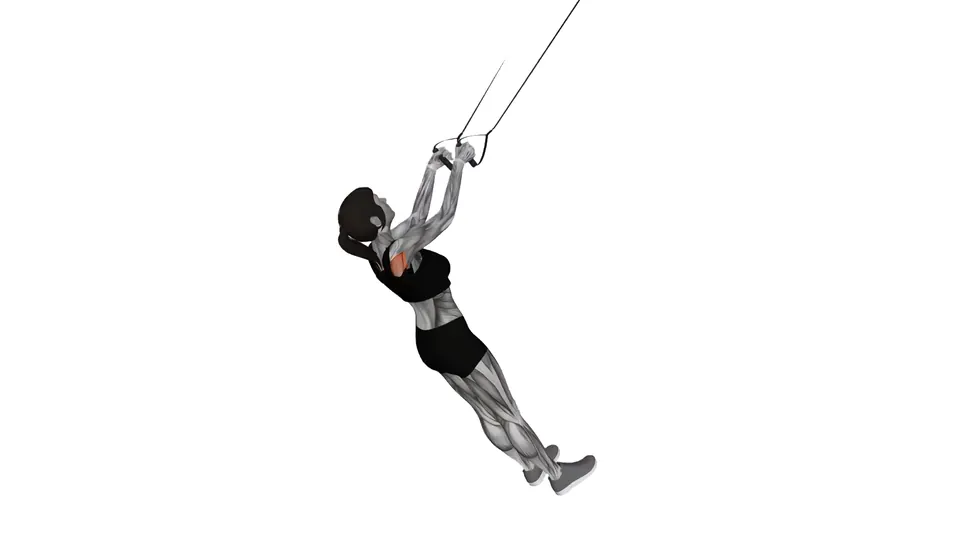
Suspension trainer
Resistance bands
Where to start and where to go next
Same muscles, same movement. Too hard for now — step down; once it gets easy — step up.
- Easier Bench Elbow Lift
- Easier Chest Supported Dumbbell Row
- This exercise Overhand Grip Dumbbell Bent Over Row
Too hard for now? Start with the Chest Supported Dumbbell Row.
Quick answers
What muscles does the Overhand Grip Dumbbell Bent Over Row work?
Primary: Upper back 9/10, Lats 7/10. Also works: Rear delts 6/10, Rhomboids 6/10, Traps 5/10, Biceps 4/10.
Which joints does the Overhand Grip Dumbbell Bent Over Row load?
Lower back: moderate, Shoulder: moderate, Hip: low, Elbow: low. Lower back — lighter options: Single Arm Dumbbell Row, Seated Cable Row (Close Grip), Single Arm Cable Row.
When should I do the Overhand Grip Dumbbell Bent Over Row in a workout?
Second big lift. Goes after the main lift, while there is still energy for heavy work. ≈ 9 min with rest.
How many sets and reps of the Overhand Grip Dumbbell Bent Over Row?
Strength: 4–5 sets of 5–8 reps, rest 2 min 30 s, 2 reps in reserve. Muscle growth: 3–4 sets of 8–12 reps, rest 1 min 30 s, 2–3 reps in reserve. Endurance: 2–3 sets of 15–20 reps, rest 45 s, 3–4 reps in reserve.
What can I do instead of the Overhand Grip Dumbbell Bent Over Row?
Barbell: Chest Supported Barbell Row, Single Arm Landmine Row. Cable machine: Floor Seated Cable Row, Cable Bent Over Row. Suspension trainer: Suspension Trainer Bent Knee Row, Wide Grip Suspension Trainer Row. Resistance bands: Chest Supported Resistance Band Row, Resistance Band Bent Over Row.
What is an easier version of the Overhand Grip Dumbbell Bent Over Row?
Chest Supported Dumbbell Row (Beginner), Bench Elbow Lift (40% of bodyweight).