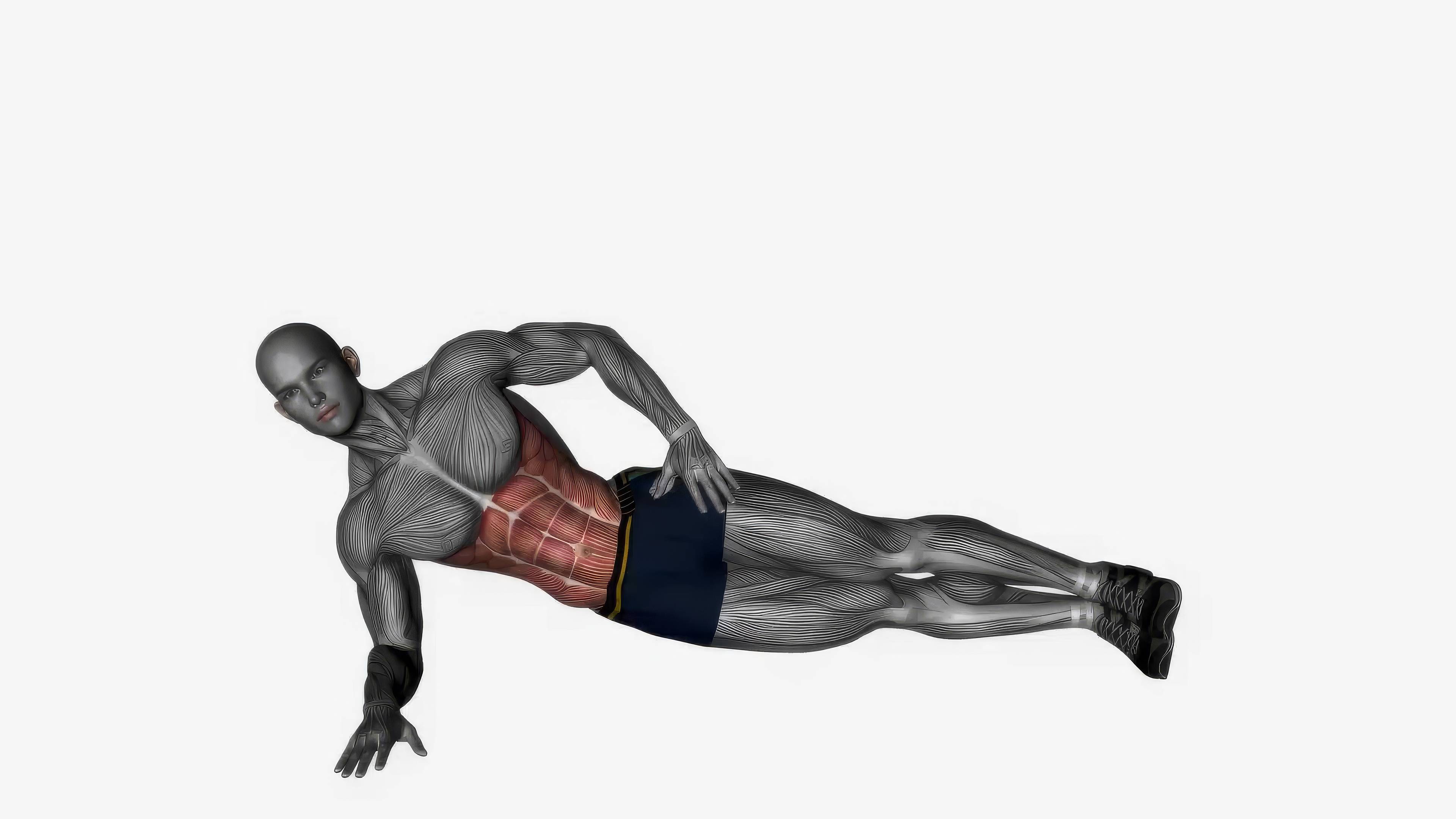
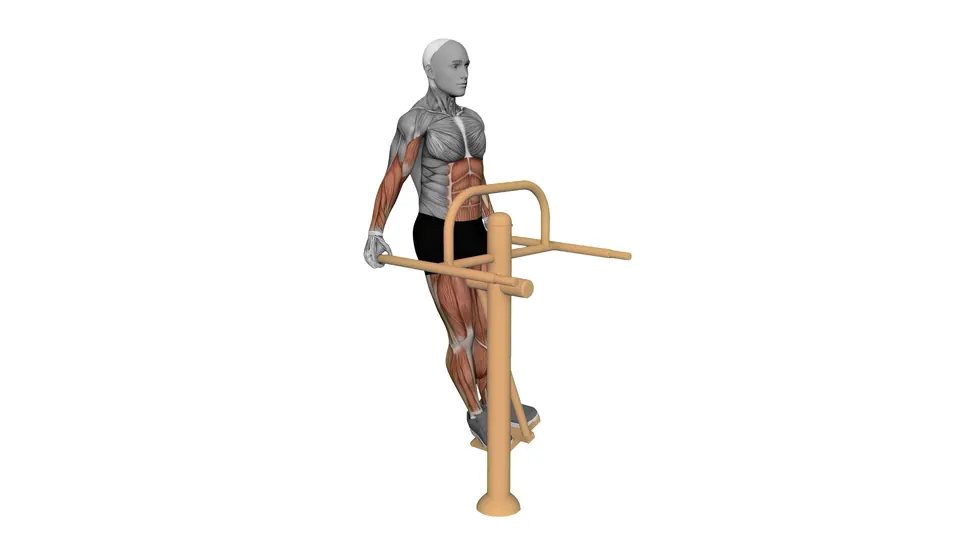
How to do the Stability Ball Bent Knee Lying Twist
- Lie on your back, arms out wide, ball held behind your knees.
- Lower both knees and the ball to one side.
- Stop before your opposite shoulder lifts.
- Return to the center and switch sides each rep.
Full technique — 7 steps
- Lie on your back with your arms out to the sides, palms up, forming a T.
- Bend your hips and knees to about 90 degrees and hold the stability ball between your calves and the backs of your thighs.
- Tighten your stomach and keep both shoulders and arms flat on the floor.
- Lower both knees and the ball to one side under control, keeping the knee bend the same.
- Stop before your opposite shoulder lifts off the floor.
- Bring your knees back to the center using your obliques.
- Lower them to the other side the same way and keep alternating sides.
Common mistakes
- Shoulder lifting off the floor
- Dropping the legs to the floor
- Swinging legs with momentum
- Letting the ball slip out
- Changing the knee bend mid-rep
Form cues
- Shoulders stay down
- Arms press into floor
- Squeeze the ball
- Move through the trunk
- Control the way back
Substitutes by equipment
Same muscles, same movement — pick the version you have the gear for.
Cable machine
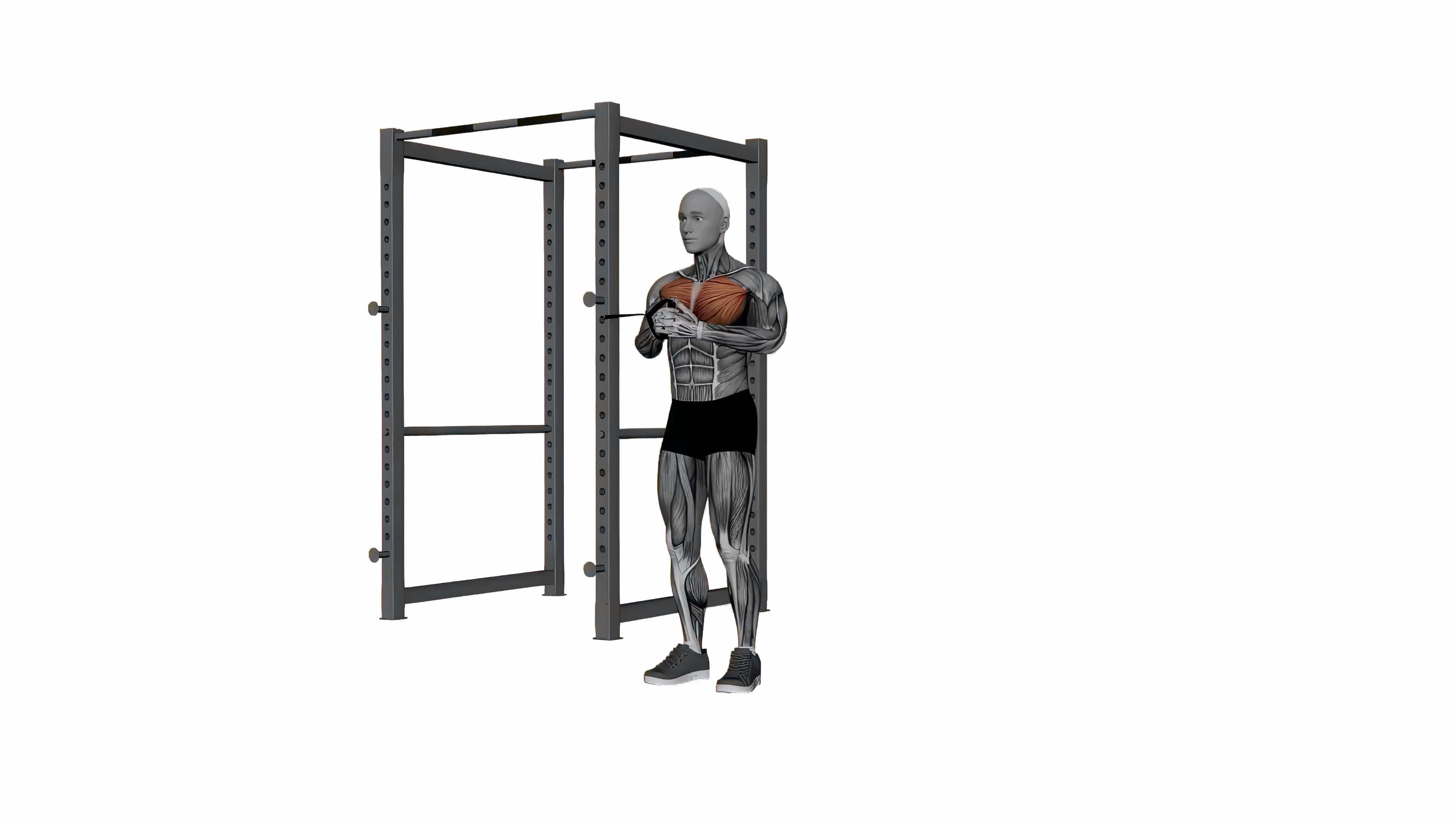
- Cable Oblique Twist Same level
- Cable Horizontal Woodchop Same level
Barbell
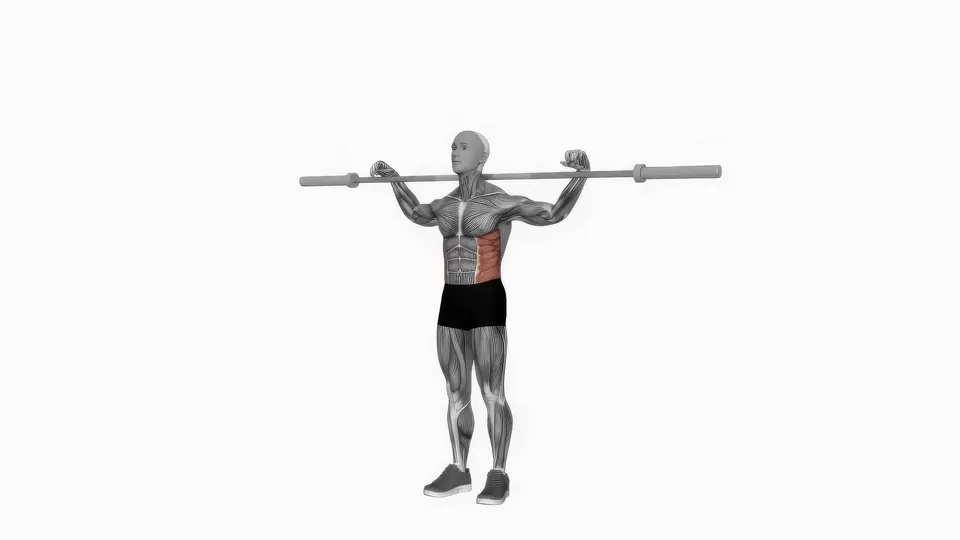
- Seated Barbell Twist Harder
- Stability Ball Barbell Twist Harder
Dumbbells
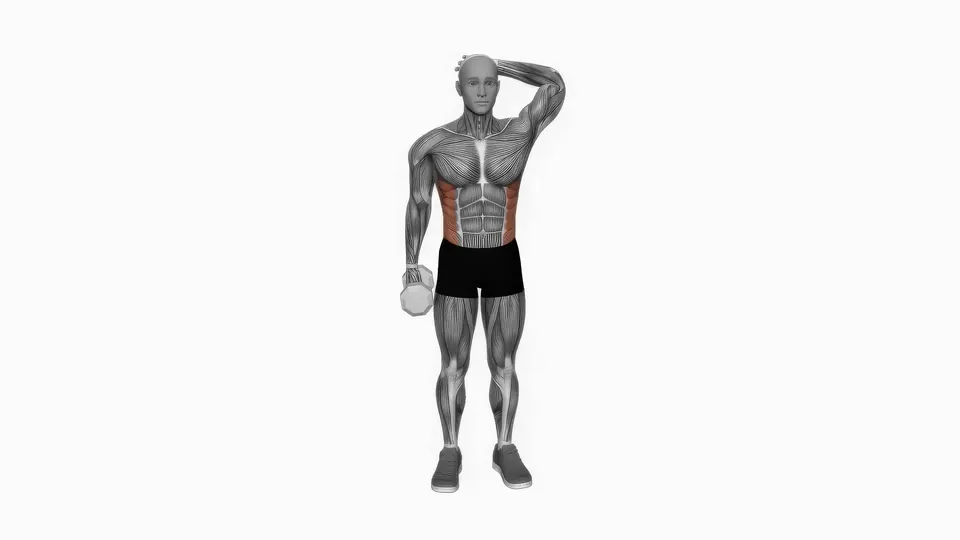
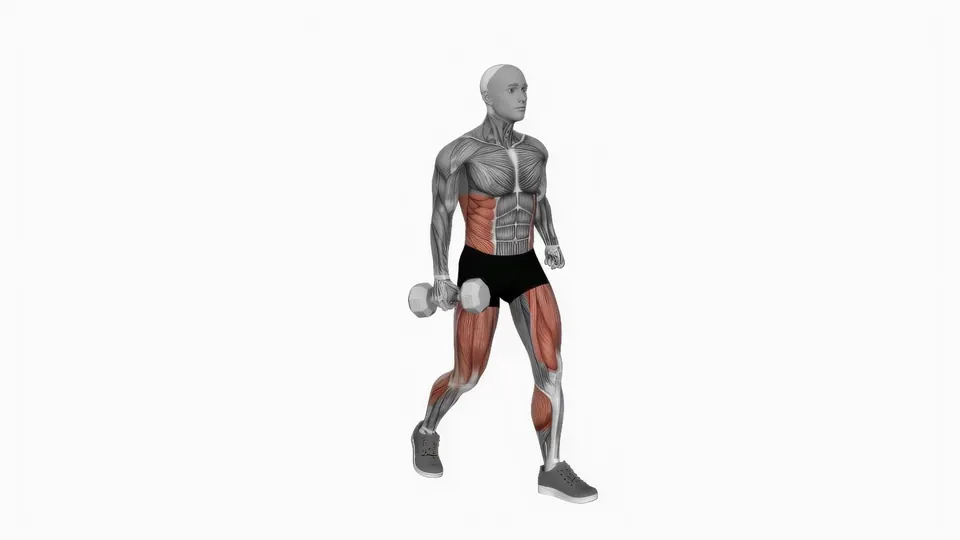
- Dumbbell Russian Twist Same level
- Dumbbell Straight Leg Russian Twist Harder
Resistance bands
Where to start and where to go next
Same muscles, same movement. Too hard for now — step down; once it gets easy — step up.
- Easier Bent Knee Lying Twist
- This exercise Stability Ball Bent Knee Lying Twist
- Harder Hyperextension Bench Oblique Crunch
- Harder Hanging Oblique Knee Raise
Too hard for now? Start with the Bent Knee Lying Twist.
Quick answers
What muscles does the Stability Ball Bent Knee Lying Twist work?
Primary: Obliques 9/10. Also works: Abs 5/10, Lower back 4/10.
When should I do the Stability Ball Bent Knee Lying Twist in a workout?
Finisher. Goes last, once the heavy work is done. ≈ 5 min with rest.
How many sets and reps of the Stability Ball Bent Knee Lying Twist?
Strength: 2–3 sets of 8–12 reps, rest 1 min, 3–4 reps in reserve. Muscle growth: 3 sets of 10–16 reps, rest 45 s, 3 reps in reserve. Endurance: 2–3 sets of 16–24 reps, rest 30 s, 4 reps in reserve.
What can I do instead of the Stability Ball Bent Knee Lying Twist?
Cable machine: Cable Oblique Twist, Cable Horizontal Woodchop. Barbell: Seated Barbell Twist, Stability Ball Barbell Twist. Dumbbells: Dumbbell Russian Twist, Dumbbell Straight Leg Russian Twist. Resistance bands: Resistance Band Bicycle Crunch.
What is an easier version of the Stability Ball Bent Knee Lying Twist?
Bent Knee Lying Twist (10% of bodyweight).
What is a harder version of the Stability Ball Bent Knee Lying Twist?
Hyperextension Bench Oblique Crunch (40% of bodyweight), Hanging Oblique Knee Raise (60% of bodyweight).