How to do the Seated Cable Row (Close Overhand Grip)
- Sit comfortably at the cable row machine, feet supported and legs slightly bent.
- Hold the bar with palms facing down, hands close, arms fully extended.
- Pull the bar to your lower chest, elbows moving back and out.
- Slowly return to the starting position, controlling the weight's movement.
Full technique — 7 steps
- Sit at the row station with your feet planted on the foot platform and knees slightly bent.
- Hold the straight bar with a close overhand grip and sit tall with arms fully extended.
- Set your torso upright and keep your spine neutral.
- Row the bar toward your lower chest by driving your elbows back and out, without leaning far backward.
- Let your elbows rise to about chest height as the bar reaches your body.
- Finish with shoulder blades drawn together and elbows slightly behind your torso.
- Extend your arms until your shoulders reach forward and the weight stack stays under control.
Common mistakes
- Leaning back to move weight
- Shrugging shoulders during the pull
- Stopping short of full reach
- Yanking with the arms first
- Curling the bar with the wrists
Form cues
- Elbows back and out
- Stay tall at finish
- Let shoulders reach forward
- Keep wrists neutral
- Keep shoulders down
Compared with similar variants
| Seated Cable Row (Close Overhand Grip) | Barbell Bent Over Row | Single Arm Dumbbell Row | Seated Machine Row | |
|---|---|---|---|---|
| Level | Beginner | Intermediate | Beginner | Beginner |
| Technique to learn | easy | moderate | moderate | easy |
| How tiring | moderate | high | moderate | moderate |
| Lower back | low | high | low | — |
| Shoulder | low | low | low | low |
| Equipment | Seated row machine | Barbell | Dumbbells, Flat bench | Seated row machine |
An estimate from our exercise ratings, not medical advice. How we rate exercises
Substitutes by equipment
Same muscles, same movement — pick the version you have the gear for.
Dumbbells
Cable machine
- Floor Seated Cable Row Harder
- Cable Bent Over Row Harder
Suspension trainer
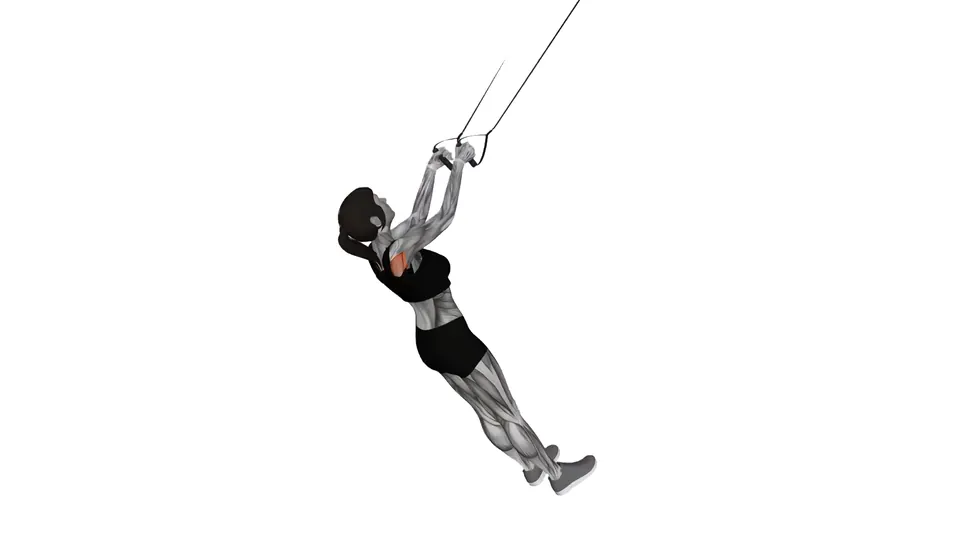
- Suspension Trainer Bent Knee Row Same level
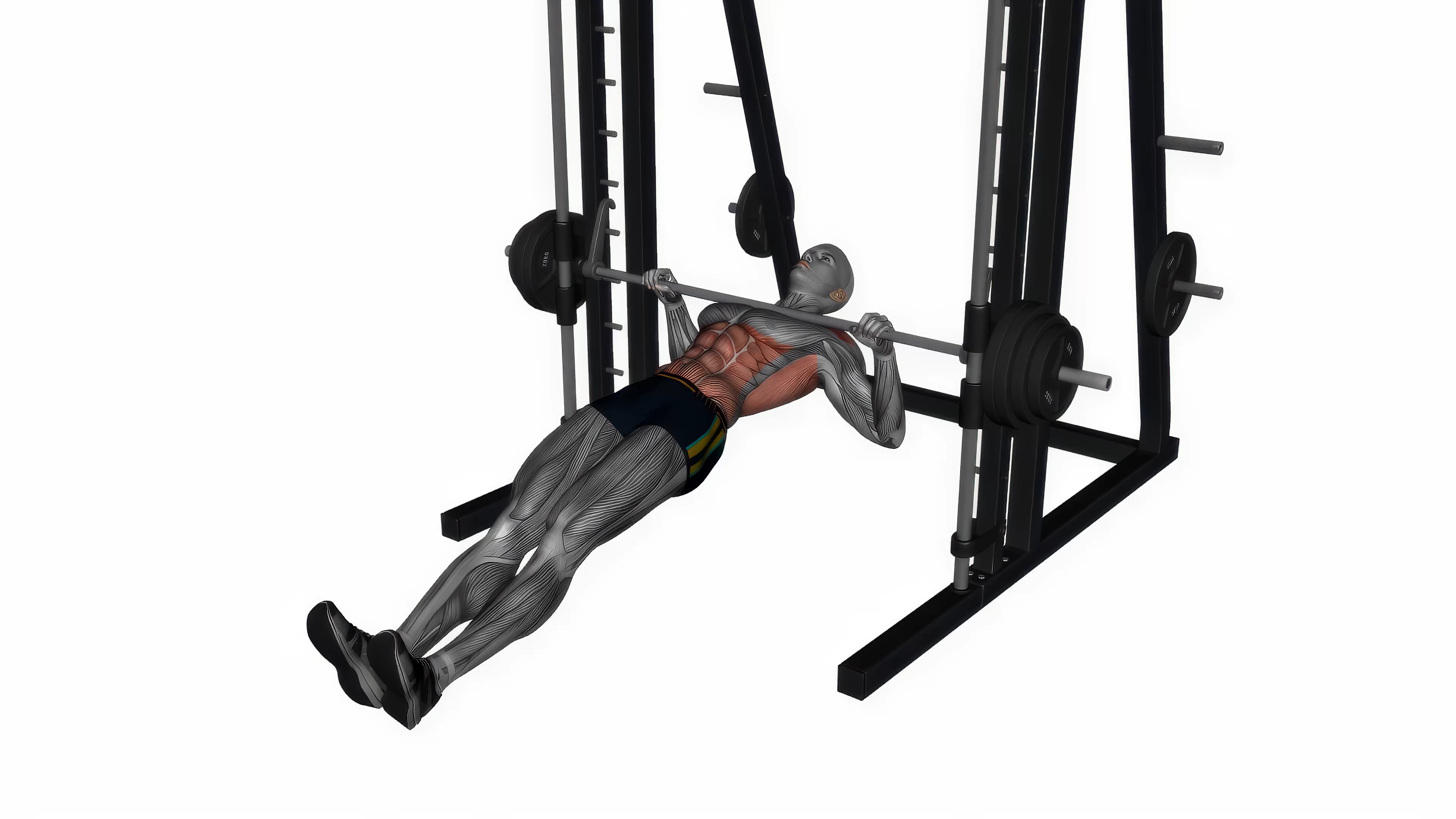
- Feet Elevated Suspension Trainer Row Harder
Barbell
- Chest Supported Barbell Row Harder
- Meadows Row Harder
Where to start and where to go next
Same muscles, same movement. Too hard for now — step down; once it gets easy — step up.
- Easier Supine Elbow Press
- This exercise Seated Cable Row (Close Overhand Grip)
- Harder Chest Supported Dumbbell Row
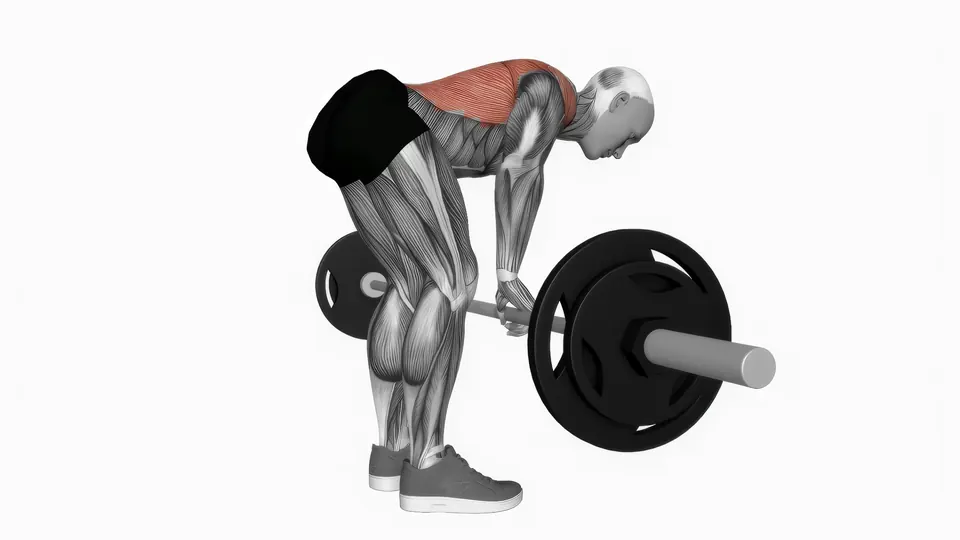
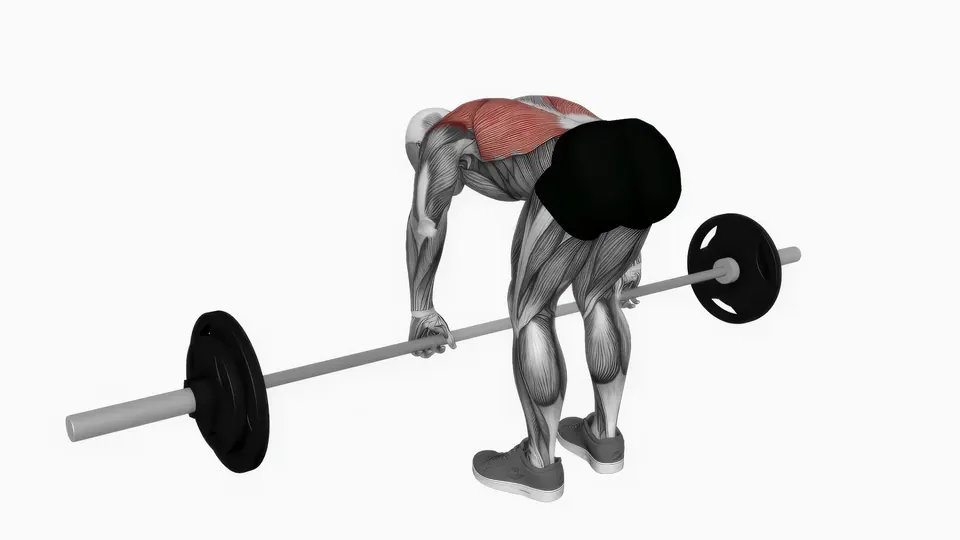
- Harder Barbell Bent Over Row
Too hard for now? Start with the Supine Elbow Press.
Quick answers
What muscles does the Seated Cable Row (Close Overhand Grip) work?
Primary: Upper back 9/10, Lats 8/10. Also works: Rear delts 7/10, Traps 6/10, Biceps 5/10, Forearms 4/10.
Which joints does the Seated Cable Row (Close Overhand Grip) load?
Lower back: low, Shoulder: low, Elbow: low.
When should I do the Seated Cable Row (Close Overhand Grip) in a workout?
Accessory. Goes after the main lifts. ≈ 9 min with rest.
How many sets and reps of the Seated Cable Row (Close Overhand Grip)?
Strength: 4–5 sets of 6–8 reps, rest 2 min, 1–2 reps in reserve. Muscle growth: 3–4 sets of 8–12 reps, rest 1 min 15 s, 2–3 reps in reserve. Endurance: 2–3 sets of 15–20 reps, rest 45 s, 3–4 reps in reserve.
What can I do instead of the Seated Cable Row (Close Overhand Grip)?
Dumbbells: Overhand Grip Dumbbell Bent Over Row, Alternating Dumbbell Pendlay Row. Cable machine: Floor Seated Cable Row, Cable Bent Over Row. Suspension trainer: Suspension Trainer Bent Knee Row, Feet Elevated Suspension Trainer Row. Barbell: Chest Supported Barbell Row, Meadows Row.
What is an easier version of the Seated Cable Row (Close Overhand Grip)?
Supine Elbow Press (15% of bodyweight).
What is a harder version of the Seated Cable Row (Close Overhand Grip)?
Chest Supported Dumbbell Row (Beginner), Barbell Bent Over Row (Intermediate).