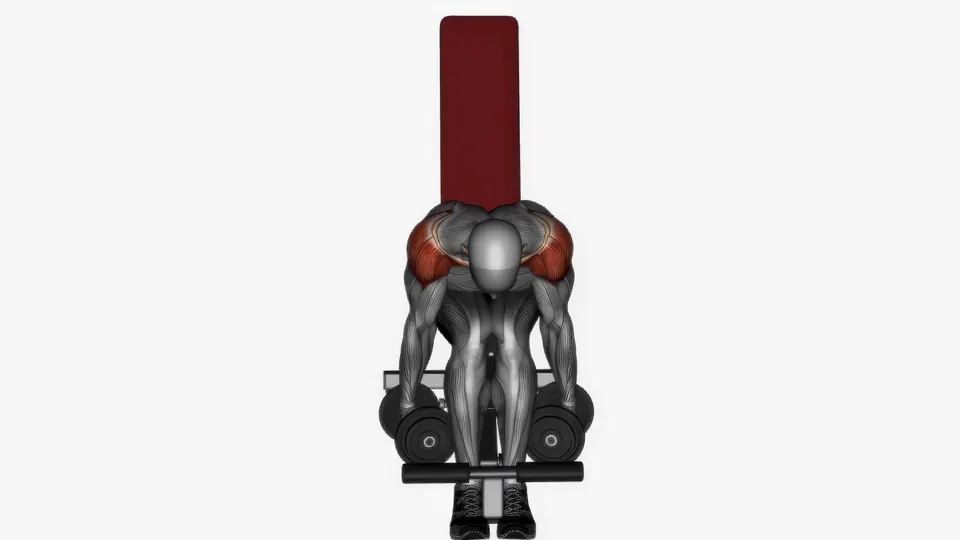
How to do the Seated Cable Rear Delt Raise
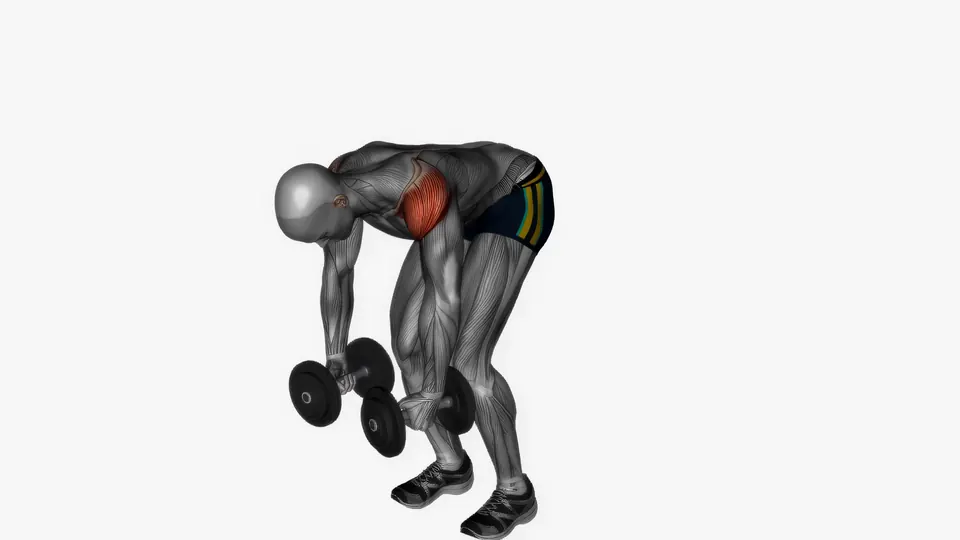
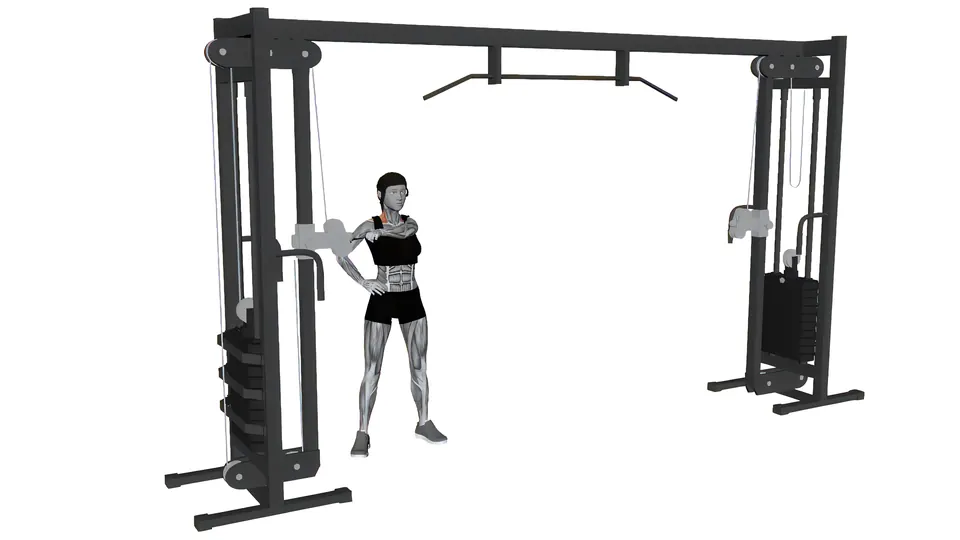
- Sit on the bench edge, hinge forward, and hold the handles with the cables crossed.
- Let your arms hang down below your knees with a slight elbow bend.
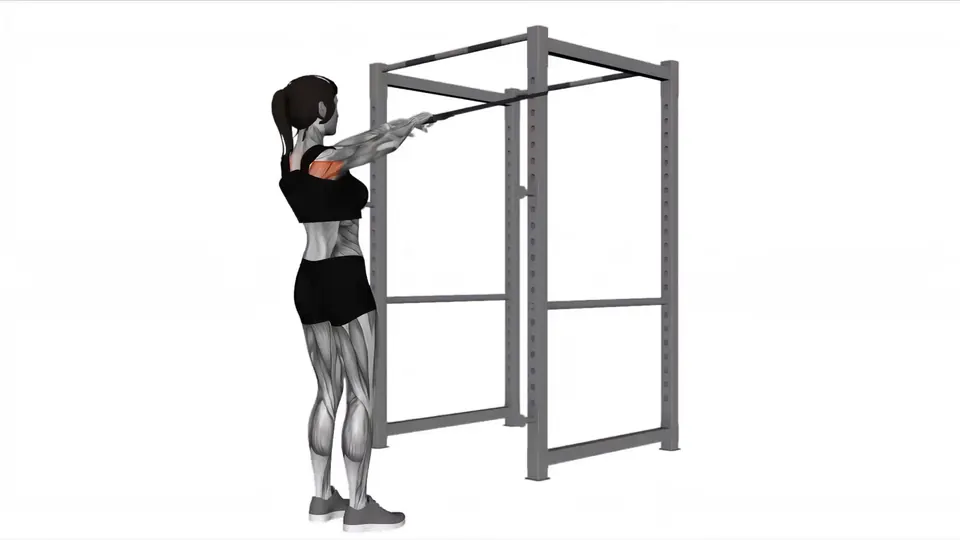
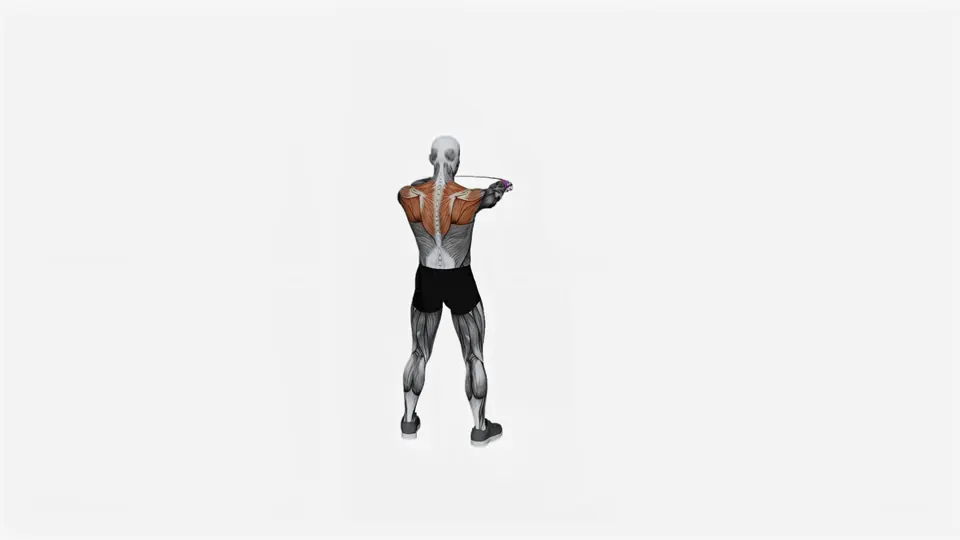
- Raise both arms out and slightly back until your upper arms reach shoulder height.
- Slowly lower the weights back to the starting position.
Full technique — 7 steps
- Set both cable pulleys to the lowest position and attach single handles.
- Sit on the end of a flat bench between the columns and hinge forward over your thighs.
- Take the left handle in your right hand and the right handle in your left hand so the cables cross.
- Keep your back flat, keep a slight elbow bend, and let the handles hang below your knees.
- Raise both arms out and slightly back until your upper arms reach shoulder height.
- Keep your wrists below your elbows, your neck relaxed, and your shoulders away from your ears.
- Lower the handles back under control until they return to the hanging start position.
Common mistakes
- Swinging the torso to start reps
- Turning it into a row
- Shrugging at the top
- Straightening the elbows too much
- Raising well above shoulder height
- Bouncing the weight stack
Form cues
- Keep wrists below elbows
- Keep torso fixed
- Raise to shoulder height
- Don't shrug upward
- Slight elbow bend
Substitutes by equipment
Same muscles, same movement — pick the version you have the gear for.
Suspension trainer
- Suspension Trainer Split Fly Harder
No equipment
- Bodyweight Rear Delt Flye Easier
- Plank Rear Delt Flye Same level
Kettlebell
Resistance bands
Where to start and where to go next
Same muscles, same movement. Too hard for now — step down; once it gets easy — step up.
- Easier Bent Over Resistance Band Rear Delt Flye
- Easier Cable Bent Arm Rear Delt Flye
- This exercise Seated Cable Rear Delt Raise
- Harder Single Arm Bent Over Cable Rear Delt Flye
Too hard for now? Start with the Cable Bent Arm Rear Delt Flye.
Quick answers
What muscles does the Seated Cable Rear Delt Raise work?
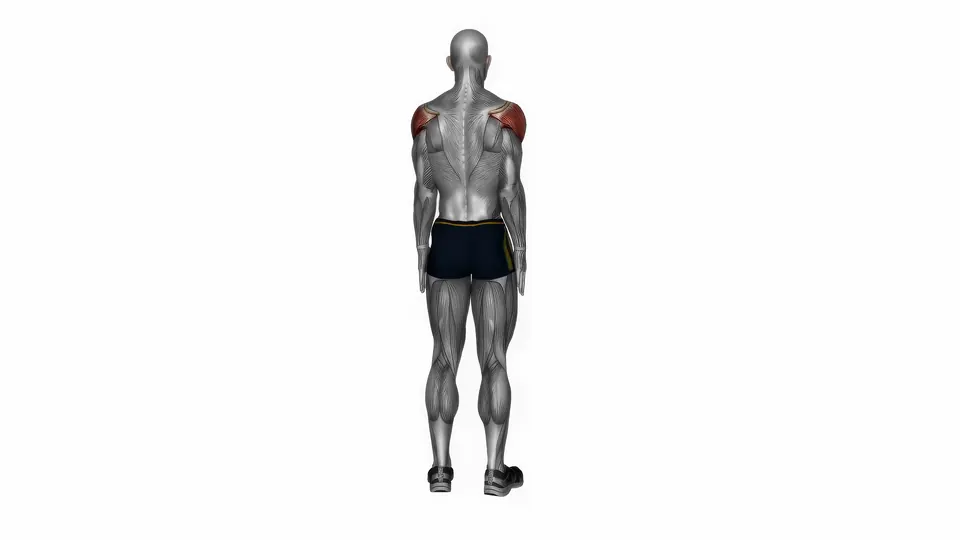
Primary: Rear delts 10/10. Also works: Rhomboids 5/10, Traps 5/10, Side delts 5/10, Infraspinatus 4/10.
When should I do the Seated Cable Rear Delt Raise in a workout?
Finisher. Goes last, once the heavy work is done. ≈ 6 min with rest.
How many sets and reps of the Seated Cable Rear Delt Raise?
Strength: 3–4 sets of 8–10 reps, rest 1 min 30 s, 2 reps in reserve. Muscle growth: 3–4 sets of 10–15 reps, rest 1 min 15 s, 2–3 reps in reserve. Endurance: 2–3 sets of 15–20 reps, rest 45 s, 3–4 reps in reserve.
What can I do instead of the Seated Cable Rear Delt Raise?
Suspension trainer: Suspension Trainer Split Fly. No equipment: Bodyweight Rear Delt Flye, Plank Rear Delt Flye. Kettlebell: Single Arm Kettlebell Rear Delt Flye. Resistance bands: Chest Supported Resistance Band T-Raise.
What is an easier version of the Seated Cable Rear Delt Raise?
Cable Bent Arm Rear Delt Flye (Beginner), Bent Over Resistance Band Rear Delt Flye (Beginner).
What is a harder version of the Seated Cable Rear Delt Raise?
Single Arm Bent Over Cable Rear Delt Flye (Intermediate).