How to do the Chest Supported Resistance Band T-Raise
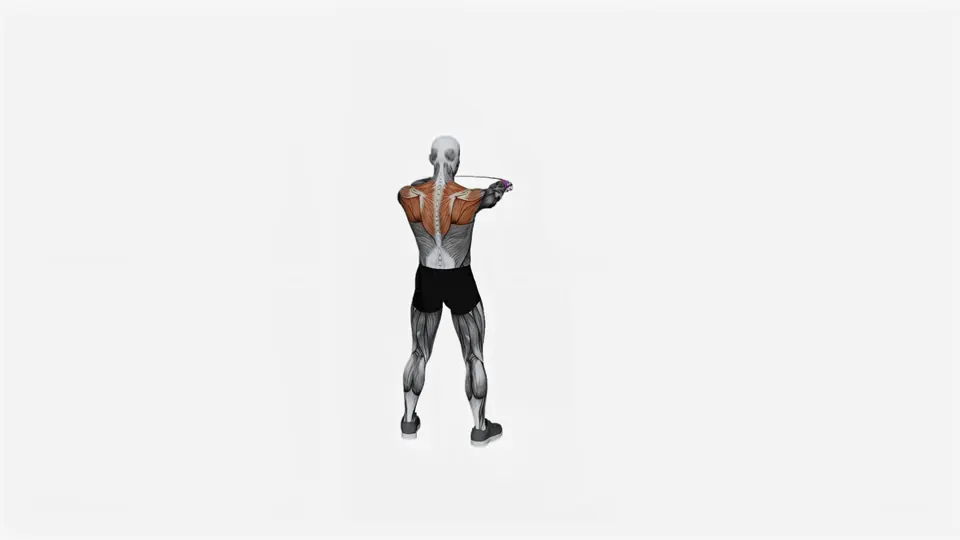
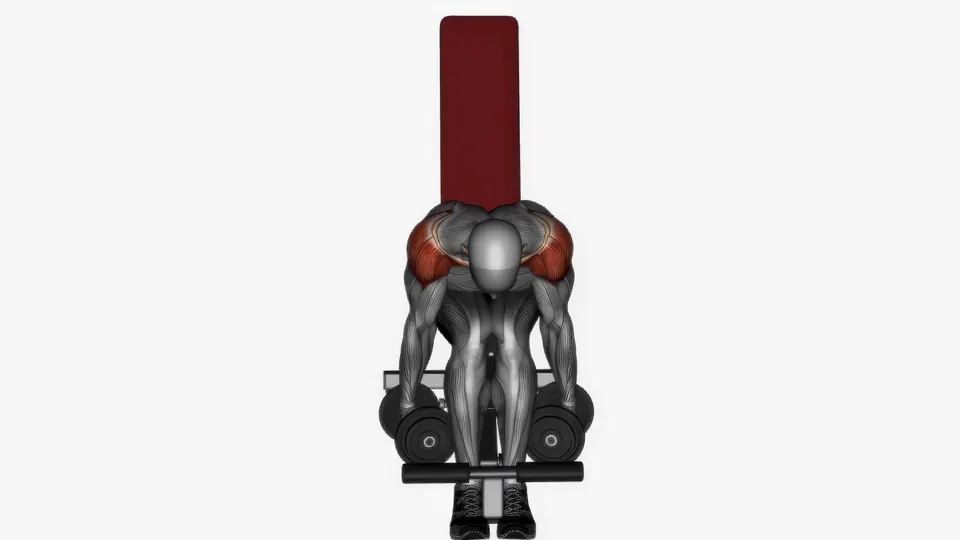
- Lie face down on an inclined bench, supporting your chest and keeping your neck relaxed.
- Hold a band handle in each hand, arms hanging with a slight bend.
- Raise your arms out to the sides to shoulder height, forming a T.
- Slowly lower your arms back to the starting position.
Full technique — 7 steps
- Set an incline bench around 30-45 degrees and lie face down with your chest supported.
- Anchor the band under the front base of the bench and hold one handle in each hand.
- Let your arms hang straight down below your shoulders with a slight elbow bend.
- Set your neck neutral and keep your chest in contact with the bench.
- Raise both arms out to the sides until they reach shoulder level, forming a T with your body.
- Move only at the shoulder while keeping the elbow angle nearly unchanged.
- Lower your arms back to the hanging start without letting the band pull them down.
Common mistakes
- Turning it into a row
- Shrugging shoulders toward ears
- Changing elbow bend mid-rep
- Lifting far past shoulder height
- Letting the band snap arms down
- Lifting the chest off the bench
Form cues
- Keep chest supported
- Raise to shoulder height
- Slight elbow bend
- Don't shrug up
- Neck stays neutral
Substitutes by equipment
Same muscles, same movement — pick the version you have the gear for.
Suspension trainer
- Suspension Trainer Split Fly Harder
No equipment
- Bodyweight Rear Delt Flye Same level
- Plank Rear Delt Flye Harder
Cable machine
Kettlebell
- Single Arm Kettlebell Rear Delt Flye Same level
Where to start and where to go next
Same muscles, same movement. Too hard for now — step down; once it gets easy — step up.
- Easier Resistance Band Face Pull
- This exercise Chest Supported Resistance Band T-Raise
- Harder Dumbbell Rear Delt Flye
- Harder Seated Cable Rear Delt Raise
Too hard for now? Start with the Resistance Band Face Pull.
Quick answers
What muscles does the Chest Supported Resistance Band T-Raise work?
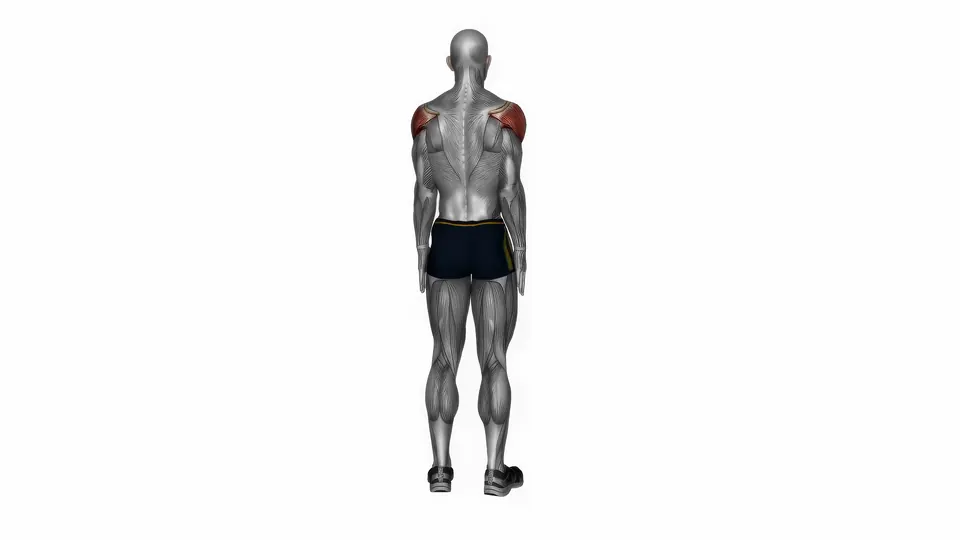
Primary: Rear delts 9/10, Upper back 7/10. Also works: Rhomboids 6/10, Traps 5/10, Infraspinatus 5/10, Side delts 4/10.
When should I do the Chest Supported Resistance Band T-Raise in a workout?
Finisher. Goes last, once the heavy work is done. ≈ 5 min with rest.
How many sets and reps of the Chest Supported Resistance Band T-Raise?
Strength: 3 sets of 8–10 reps, rest 1 min 15 s, 2–3 reps in reserve. Muscle growth: 3–4 sets of 12–15 reps, rest 1 min, 2–3 reps in reserve. Endurance: 2–3 sets of 15–25 reps, rest 45 s, 3–4 reps in reserve.
What can I do instead of the Chest Supported Resistance Band T-Raise?
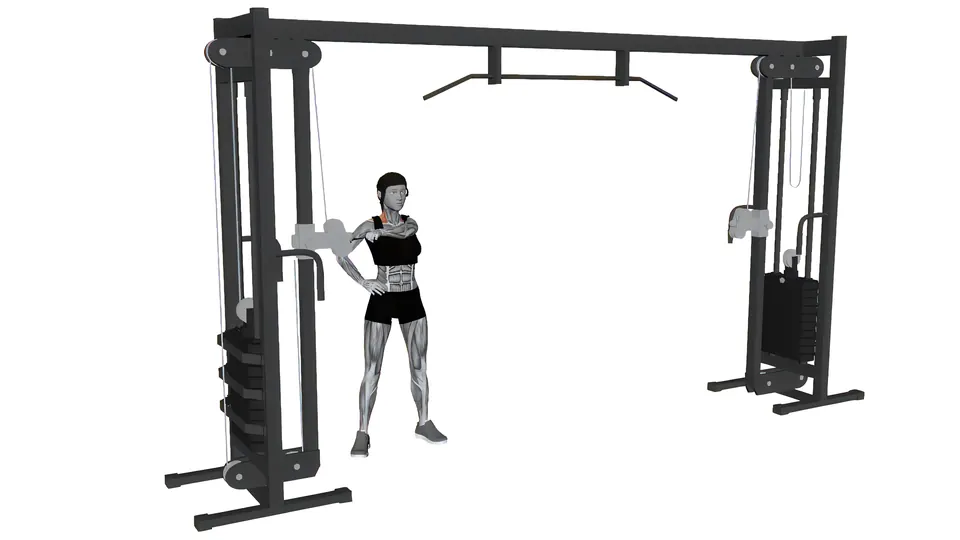
Suspension trainer: Suspension Trainer Split Fly. No equipment: Bodyweight Rear Delt Flye, Plank Rear Delt Flye. Cable machine: Cable Bent Arm Rear Delt Flye, Single Arm Bent Over Cable Rear Delt Flye. Kettlebell: Single Arm Kettlebell Rear Delt Flye.
What is an easier version of the Chest Supported Resistance Band T-Raise?
Resistance Band Face Pull (Beginner).
What is a harder version of the Chest Supported Resistance Band T-Raise?
Dumbbell Rear Delt Flye (Beginner), Seated Cable Rear Delt Raise (Intermediate).