How to do the Curtsy Squat
- Stand tall, hands clasped at your chest.
- Step one leg back and across behind the other, shifting your weight forward.
- Lower until your front thigh is near parallel and your back knee moves downward.
- Drive through front foot to stand.
- Return to the start and alternate legs.
Full technique — 7 steps
- Stand tall with feet hip-width apart and clasp your hands in front of your chest.
- Shift weight onto one leg, then step the other leg back and across behind it.
- Bend both knees and lower until your front thigh approaches parallel and your back knee drops toward the floor.
- Keep most of your weight over the front leg and let the front knee point the same way as your front foot.
- Keep your torso upright with hips and shoulders facing forward.
- Drive through the front foot to stand back up.
- Bring the rear foot back to the start, then repeat with the other leg, alternating sides.
Common mistakes
- Front knee collapsing inward
- Pushing off the rear foot instead of loading the front leg.
- Stepping too far across
- Twisting the pelvis during descent
- Cutting the squat high
Form cues
- Load the front leg
- Step back and across
- Keep hips facing forward
- Knee points where foot points
- Stay tall through torso
Compared with similar variants
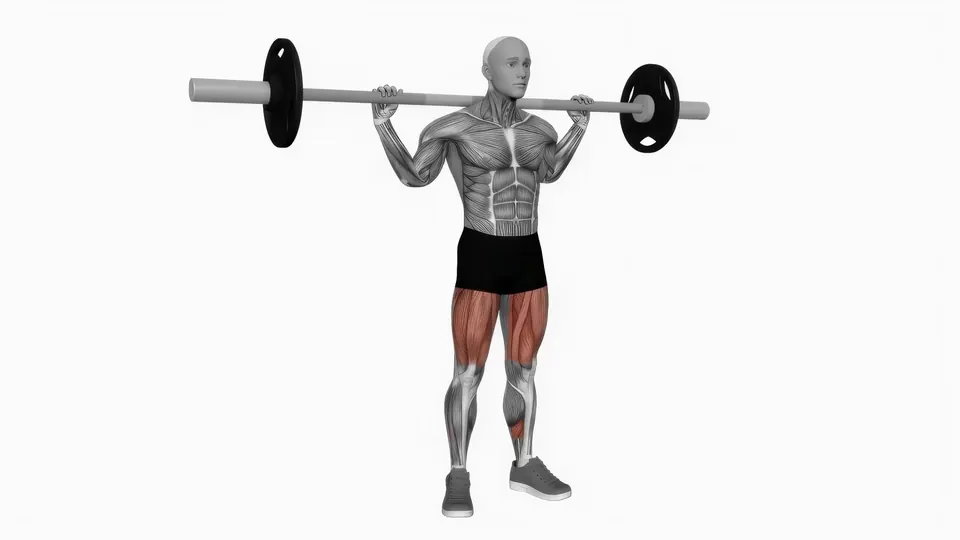
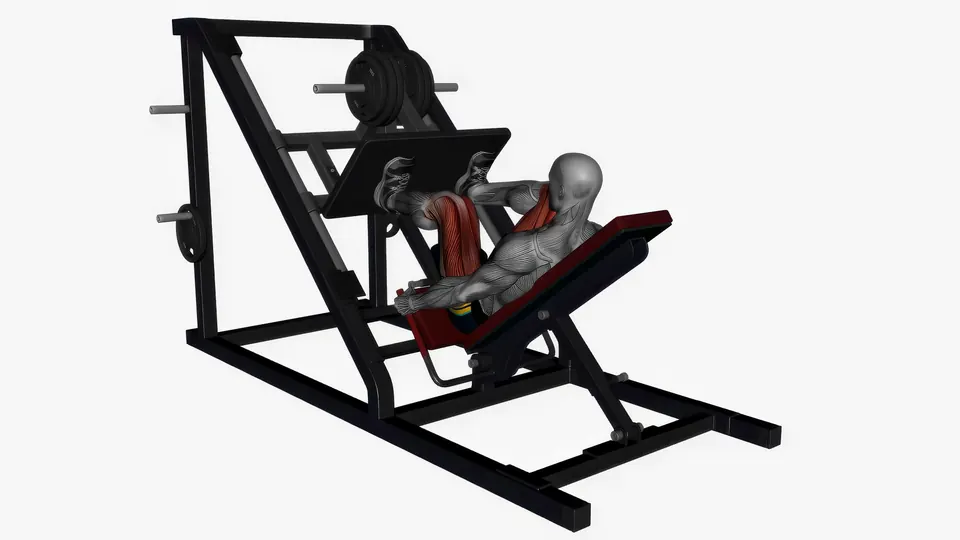
| Curtsy Squat | Barbell Back Squat | Hack Squat (Machine) | Low Bar Back Squat | |
|---|---|---|---|---|
| Level | Beginner | Intermediate | Intermediate | Advanced |
| Technique to learn | easy | hard | easy | hard |
| How tiring | moderate | high | moderate | high |
| Knee | high | high | high | moderate |
| Hip | moderate | moderate | low | high |
| Equipment | No equipment | Barbell, Squat rack | Hack squat machine | Barbell, Squat rack |
An estimate from our exercise ratings, not medical advice. How we rate exercises
Substitutes by equipment
Same muscles, same movement — pick the version you have the gear for.
Dumbbells
Barbell
- Landmine Curtsy Lunge Harder
- Barbell Reverse Lunge Harder
Resistance bands
Kettlebell
- Kettlebell Reverse Lunge Same level
- Goblet Side Squat Harder
Where to start and where to go next
Same muscles, same movement. Too hard for now — step down; once it gets easy — step up.
- Easier Bodyweight Reverse Lunge
- Easier Archer Reverse Lunge
- This exercise Curtsy Squat
- Harder Bodyweight Bulgarian Split Squat
- Harder Bulgarian Split Squat
Too hard for now? Start with the Archer Reverse Lunge.
Quick answers
What muscles does the Curtsy Squat work?
Primary: Quads 8/10, Glutes 8/10. Also works: Hip adductors 5/10, Hamstrings 4/10, Hip abductors 4/10, Calves 3/10.
Which joints does the Curtsy Squat load?
Knee: high, Hip: moderate, Ankle: moderate. Knee — lighter options: Low Bar Back Squat, Goblet Squat, Smith Machine Squat.
When should I do the Curtsy Squat in a workout?
Accessory. Goes after the main lifts. ≈ 9 min with rest.
How many sets and reps of the Curtsy Squat?
Strength: 3–4 sets of 10–12 reps, rest 1 min 30 s, 2 reps in reserve. Muscle growth: 3–4 sets of 12–20 reps, rest 1 min 15 s, 2–3 reps in reserve. Endurance: 2–3 sets of 20–25 reps, rest 45 s, 3–4 reps in reserve.
What can I do instead of the Curtsy Squat?
Dumbbells: Dumbbell Front Rack Curtsy Lunge, Single Arm Dumbbell Overhead Split Squat. Barbell: Landmine Curtsy Lunge, Barbell Reverse Lunge. Resistance bands: Resistance Band Curtsy Lunge, Resistance Band Bulgarian Split Squat. Kettlebell: Kettlebell Reverse Lunge, Goblet Side Squat.
What is an easier version of the Curtsy Squat?
Archer Reverse Lunge (45% of bodyweight), Bodyweight Reverse Lunge (40% of bodyweight).
What is a harder version of the Curtsy Squat?
Bodyweight Bulgarian Split Squat (55% of bodyweight), Bulgarian Split Squat (Intermediate).